
Your Complete Guide to Peptide Therapy for Cell Repair and Healing
Peptide therapy involves using short chains of amino acids to signal specific cellular processes, often mimicking the body’s natural repair mechanisms. Unlike many treatments that simply mask symptoms, these targeted signals can directly support tissue regeneration, immune modulation, and metabolic function. For those struggling with chronic recovery or age-related decline, this therapy offers a precision approach to cellular communication that may accelerate healing and restore vitality without the side effects of conventional drugs.
What Exactly Are Peptides and How Do They Work in Your Body?
Peptides are short chains of amino acids, the fundamental building blocks of proteins. In peptide therapy, these specific sequences act as signaling molecules, instructing your cells to perform targeted biological functions. When administered, a peptide binds to receptors on the surface of your cells, triggering a natural, pre-programmed response—such as increasing growth hormone release, repairing tissue, or modulating inflammation. This precise signaling is inherently safer than introducing whole proteins or synthetic hormones, as the body rapidly breaks down peptides without accumulating foreign substances.
The therapeutic effect relies entirely on mimicking the body’s own communication system to restore or enhance a specific physiological process.
By selecting the correct peptide sequence, therapy can direct your metabolism, immune response, or healing pathways without disrupting broader hormonal systems.
Defining the Tiny Protein Fragments Behind the Therapy

Peptide therapy hinges on tiny protein fragments that act as precise biological messengers. These short chains of amino acids, far smaller than full proteins, are engineered to mimic naturally occurring signals in your body. Each fragment’s specific sequence dictates its unique function—some trigger cellular repair, others modulate hormone release or reduce inflammation. By defining these fragments, scientists tailor rapid-acting cues that instruct tissues to heal, regenerate, or rebalance without the complexity of larger proteins. This microscopic precision is what makes the therapy targeted and efficient, directly influencing how your cells respond to internal stress or damage.
The Mechanism of Action: Signaling Cells to Repair and Rebuild
In peptide therapy, the mechanism of action hinges on specific amino acid sequences acting as signaling molecules that bind to cell surface receptors. This binding triggers a cascade of intracellular events, effectively instructing target cells, such as fibroblasts in skin or myocytes in muscle, to initiate repair and synthesis. By mimicking natural peptide signals, therapy can upregulate collagen deposition for tissue regeneration or accelerate protein synthesis for lean mass restoration. Unlike random biological processes, this prompts a controlled, targeted rebuilding of damaged structures.Targeted cellular signaling ensures the body focuses resources on recovery rather than inflammation. Q: How do peptides direct repair without causing overgrowth? A: They activate specific repair pathways by binding only to designated receptors, initiating a temporary, controlled rebuilding phase that ceases once the signal is degraded by natural enzymes.
Common Types of Bioactive Peptides Used in Treatment
Several classes of bioactive peptides are employed in treatment, each targeting specific physiological pathways. Antimicrobial peptides (AMPs) directly combat bacterial and fungal infections by disrupting microbial cell membranes. Growth hormone secretagogues, like ghrelin mimetics, stimulate the pituitary to release growth hormone, aiding in muscle repair and metabolic function. Collagen peptides, derived from hydrolyzed gelatin, provide amino acid substrates to support skin elasticity and joint health. BPC-157 and similar regenerative peptides promote angiogenesis and accelerate healing of soft tissue injuries. These represent just a few examples of how targeted peptide therapies address conditions ranging from chronic inflammation to tissue regeneration.
What Key Benefits Can You Expect from This Treatment Approach?

Peptide therapy offers targeted cellular regeneration, promoting tissue repair and muscle recovery without systemic side effects. You can expect enhanced hormone optimization tailored to age-related decline, improving energy, lean mass, and metabolic efficiency. This approach also supports accelerated weight loss and metabolic reset, as specific peptides regulate appetite and fat oxidation. For skin and joint health, peptides stimulate collagen production, reducing wrinkles and alleviating osteoarthritis pain. Overall, you gain a customizable, low-risk tool for optimizing vitality, sleep quality, and immune resilience, with results typically noticeable within weeks.
Boosting Muscle Growth, Fat Loss, and Metabolic Efficiency
Peptide therapy directly enhances body composition by stimulating growth hormone secretion, which accelerates muscle protein synthesis and metabolic efficiency. Specific peptides like Ipamorelin and CJC-1295 promote lean muscle gains without the side effects of synthetic hormones, while simultaneously increasing lipolysis for targeted fat loss. This dual action boosts resting metabolic rate, allowing users to burn more calories even at rest. By improving mitochondrial function, peptides optimize energy utilization, making fat loss more sustainable and muscle retention more effective during caloric deficits. The result is a refined, leaner physique with improved metabolic resilience.
Supporting Joint Repair, Skin Elasticity, and Faster Recovery
Peptide therapy directly supports joint repair by stimulating collagen synthesis and modulating inflammatory cytokines, which aids in rebuilding cartilage and reducing stiffness. This process concurrently enhances skin elasticity, as targeted peptides like copper peptides promote fibroblast activity and dermal matrix remodeling. Recovery acceleration follows logically from improved tissue structure and reduced oxidative stress, shortening downtime after injury or exertion. For optimal outcomes, collagen-stimulating peptides form the shared mechanism behind these three benefits, making the approach efficient for simultaneous healing and regeneration.
Enhancing Sleep Quality, Cognitive Clarity, and Immune Function
Peptide therapy directly targets these three pillars through specific signaling mechanisms. For sleep quality, peptides like Epithalon regulate circadian rhythms by influencing pineal gland function, promoting deeper restorative cycles. This improved sleep architecture subsequently enhances cognitive clarity by facilitating glymphatic clearance of metabolic waste and optimizing neurotransmitter balance for sharper focus. Immune function benefits simultaneously, as compounds such as Thymosin Alpha-1 modulate T-cell activity and reduce inflammatory cytokines, reinforcing resilience against pathogens. The interconnection is logical: better sleep elevates daytime cognition, while a robust immune response prevents systemic disruptions that impair mental performance. This triad of sleep, cognition, and immunity creates a self-reinforcing cycle of recovery and daily function.
Question: How do these benefits reinforce each other?
Answer: Enhanced sleep deepens memory consolidation and reduces cortisol, which directly boosts cognitive processing speed and immune surveillance, creating a feedback loop where each improvement elevates the others.
How Is a Typical Peptide Protocol Structured and Administered?
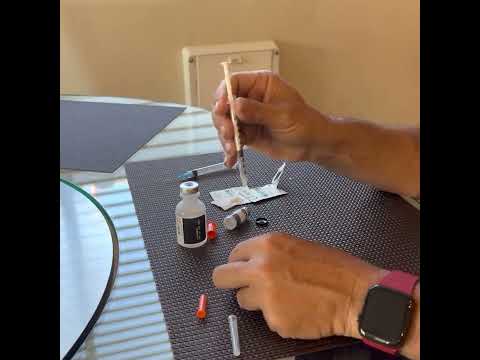
A typical peptide protocol begins with a defined cycle length, often 4–12 weeks, with a specific dosage (e.g., 100–500 mcg) and frequency (once daily to twice weekly). Administration is almost always via subcutaneous injection (insulin syringe), rotating sites like the abdomen or thigh. The protocol includes a precise reconstitution method using bacteriostatic water and a strict storage temperature (refrigerated). Timing is critical: most peptides require an empty stomach (e.g., morning fasted or pre-bed). Pulsatile dosing may be used for growth hormone secretagogues. A “washout” period equal to the cycle length is standard between protocols to avoid desensitization.

Common Delivery Methods: Injections, Oral Capsules, and Topical Forms
Within peptide therapy, administration relies on three primary routes. Subcutaneous injections remain the gold standard for bioavailability, as digestive enzymes degrade most peptides. Oral capsules require specialized coatings or absorption enhancers to survive stomach acid, making them less potent for larger molecules. Topical forms deliver peptides locally through creams or gels, but their systemic uptake is minimal, limiting efficacy to surface tissues. Choosing a method depends on whether systemic absorption or targeted local action is prioritized.
Injections offer maximum absorption, oral capsules provide convenience with reduced potency, and topical forms restrict peptides to localized areas for skin treatment.
Dosing Schedules and Cycling Strategies for Optimal Results
Most peptides work best with cyclic on-and-off dosing schedules to prevent receptor desensitization. A typical protocol runs five days on, two days off, mimicking natural hormonal pulses. Cycling strategies often involve four to eight weeks of use, followed by a four-week break. This rest period resets your body’s sensitivity, making subsequent cycles more effective. Never run a peptide indefinitely—long-term daily use usually leads to diminishing returns. Q: How long should a cycle last? A: Most users stick to 8–12 weeks for GH secretagogues, then take a 4-week break before starting again.
Typical Duration of a Program and What to Expect Over Time
A typical peptide therapy program spans 8 to 12 weeks, with some protocols extending to 16 weeks depending on goals. What to expect over time unfolds in clear stages: initially, you might notice subtle shifts in energy or sleep within the first week. By weeks 3-5, more pronounced effects like improved recovery or fat loss often appear. Mid-cycle plateaus around week 6 are common as your body acclimates, followed by cumulative benefits peaking near the program’s end. A standard timeline includes:
- Weeks 1-2: early adaptation, minor changes
- Weeks 3-6: noticeable physiological response
- Weeks 7-12: peak results and stabilization
Cycling off for 4-8 weeks preserves sensitivity and long-term efficacy.
Who Is a Good Candidate for This Therapy and How Do You Choose?
A good candidate for peptide therapy is someone whose recovery or performance has plateaued despite proper training and nutrition, like a middle-aged athlete whose joint pain and slow muscle repair suggest declining growth hormone output. You choose by first ruling out underlying disease with blood work focused on IGF-1, cortisol, and thyroid markers, then matching specific peptides to the root problem: BPC-157 for chronic gut or tendon injuries, not for general vitality. A candidate must be committed to weekly injections and realistic about timeline—peptides require months of consistent dosing, not immediate results. Avoid anyone with active cancer, as growth factors can accelerate malignancy. The choice hinges on a targeted deficit, not vague desires.
Assessing Your Health Goals: Recovery, Anti-Aging, or Performance
Your primary health goal dictates peptide selection. If recovery and tissue repair is the focus, protocols often prioritize BPC-157 or TB-500 for acute injury or post-surgical healing. For anti-aging, emphasis shifts to growth hormone secretagogues like Ipamorelin to improve skin elasticity, sleep, and body composition, supporting cellular longevity. Performance seekers lean toward Tesamorelin or AOD-9604 for fat loss and lean muscle maintenance, aligning with metabolic optimization. Distinguishing between these paths is critical, as a peptide suited for rapid recovery may not address the chronic, low-grade inflammation driving visible aging. Each trajectory requires different dosing cycles and expected timelines for measurable results.
Assessing your health goals as recovery, anti-aging, or performance determines the strate labs specific peptide therapy pathway, its dosing strategy, and the realistic outcomes you can expect.
What to Discuss with a Practitioner Before Starting
Before starting peptide therapy, you need to chat with your practitioner about your full medical history, including any past hormone issues or autoimmune conditions. Discuss your specific goals—like recovery, sleep, or fat loss—so they can tailor the protocol. Ask about potential side effects and dosing schedules to set realistic expectations. A clear sequence for this conversation is:
- Review your current medications and supplements to prevent interactions.
- Confirm how the peptides will be stored and administered (injection vs. oral).
- Agree on a timeline for follow-up blood work to monitor progress.
Don’t skip asking about how to handle a missed dose, as consistency matters for results.
Red Flags and Quality Markers When Selecting a Peptide Source
When selecting a peptide source, a major red flag is the absence of a Certificate of Analysis (CoA) from a third-party lab, as this bypasses independent purity and potency verification. Conversely, independent third-party testing is the definitive quality marker, ensuring the stated peptide sequence matches the vial contents. Avoid suppliers who list “research use only” but market directly to consumers for therapy. Price that is significantly below market average often indicates adulteration or incorrect synthesis rather than a bargain. Q: What is the most critical quality marker for a peptide vial? A: A verifiable, batch-specific CoA showing purity above 98% via HPLC analysis.
What Side Effects, Risks, and Practical Tips Should Beginners Know?
Peptide therapy carries specific side effects and risks beginners must know. Common reactions include injection site redness, swelling, or irritation, with nausea, fatigue, or mild headache occurring as the body adjusts. Serious risks involve allergic reactions, hormone imbalances, or unintended tissue growth if dosages are incorrect. Your first practical tip is to confirm peptide purity via third-party lab testing to avoid contamination or counterfeit products. Start with the lowest effective dose under medical supervision, never exceed recommended cycles, and rotate injection sites to prevent lipodystrophy. Stay hydrated and monitor for unusual symptoms like persistent joint pain or swelling, which require immediate discontinuation. Always store peptides as directed—refrigeration is often critical—and never combine multiple new peptides simultaneously to isolate adverse effects.
Common Temporary Reactions and How to Manage Them
Beginners often experience temporary injection-site reactions like redness, swelling, or mild itching, which typically resolve within hours. Flushing, headaches, or slight nausea can also occur as the body adjusts. To manage these, rotate injection sites to prevent irritation and apply a cold compress for localized swelling. Stay well-hydrated before and after dosing to reduce systemic reactions. For headache discomfort, temporary use of acetaminophen (avoiding NSAIDs if on certain peptides) is effective. Never ignore persistent redness or heat, as this signals infection rather than a typical reaction. Using proper aseptic technique is critical for side effect prevention.

| Common Temporary Reaction | Management Technique |
|---|---|
| Injection-site redness/swelling | Cold compress; rotate sites daily |
| Mild headache or flushing | Hydrate; acetaminophen as needed |
| Nausea or light dizziness | Take with small meal; rest post-injection |
Mistakes New Users Often Make and How to Avoid Them
A primary mistake is initiating therapy without baseline blood work, leading to unmonitored hormonal fluctuations. To avoid this, always obtain comprehensive labs before the first dose. Novices also commonly use incorrect reconstitution and dosing methods, often overdiluting or injecting air. Follow this sequence:
- Confirm the peptide’s milligram strength against the bacteriostatic water volume.
- Use a U-100 insulin syringe for precise measurement.
- Begin with the lowest effective dose, increasing only after two weeks of tolerance assessment.
Another frequent error is ignoring site rotation and sterility, risking lipohypertrophy or infection. Rotate injection sites systematically and swab the vial stopper with alcohol before every draw.
Combining Protocols Safely with Diet, Exercise, and Other Therapies
When stacking peptides with your existing routine, start slow to gauge how your body reacts, especially if you’re already on other therapies like HRT or GLP-1s. Combining protocols safely means timing peptides away from high-intensity workouts—e.g., take recovery peptides post-exercise, not pre—and adjusting your diet to support the specific pathway, like upping protein for muscle-building cycles. Never assume a peptide won’t interact with thyroid meds or anti-inflammatories; always consult a doc first. Tracking your sleep and hunger shifts helps you spot when a protocol clashes with your exercise or meal timing, so you can tweak doses or schedules.
Pair peptides with your diet and exercise plan gradually, monitor for interactions with other therapies, and adjust based on how your body responds.